Editorial Platform — Informational content only. No services, no sales, no deliveries. Read full notice
Featured Insight

Food & Mental Clarity Insights

Evidence-based articles exploring the science of how food choices influence cognitive performance, emotional balance, and mental wellbeing.

Featured Story

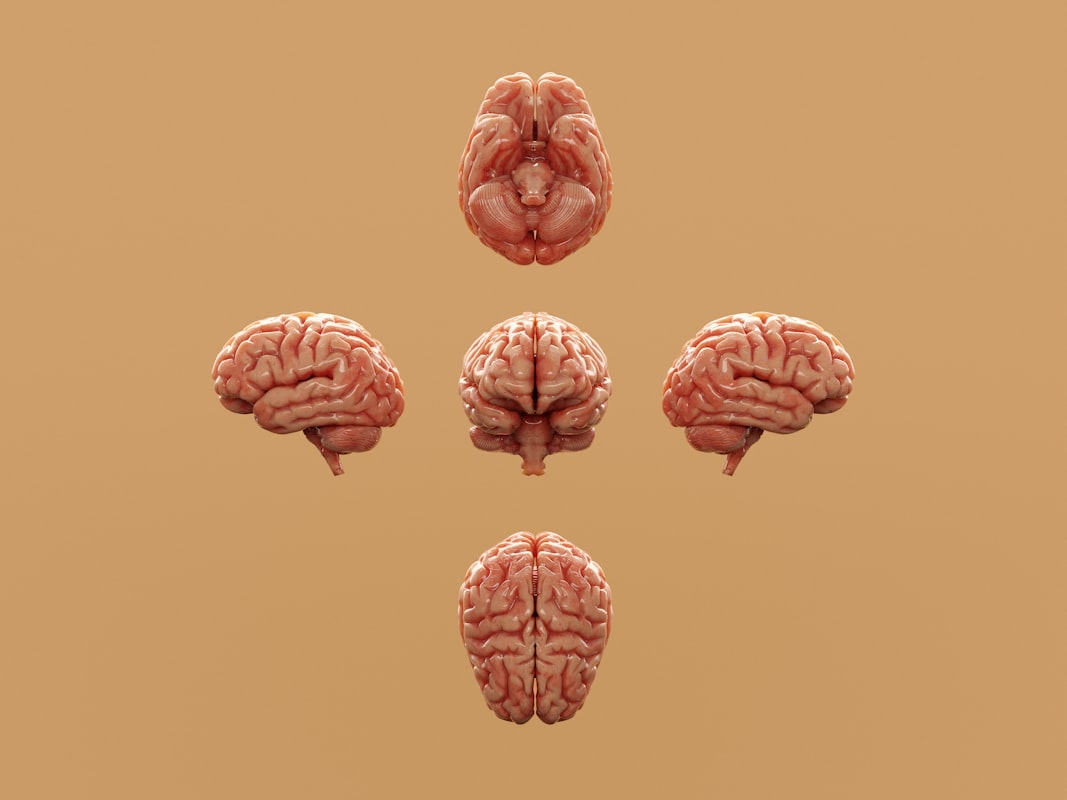
The Gut-Brain Connection: How Your Microbiome Influences Cognitive Function

Recent neuroscience research reveals that the trillions of microorganisms in your digestive system communicate directly with your brain through the vagus nerve and metabolic pathways. This bidirectional relationship—known as the gut-brain axis—means that the foods you choose can significantly affect your mood, focus, memory retention, and mental clarity. Understanding this connection opens new pathways for optimising cognitive performance through informed dietary choices.

Read Full Article
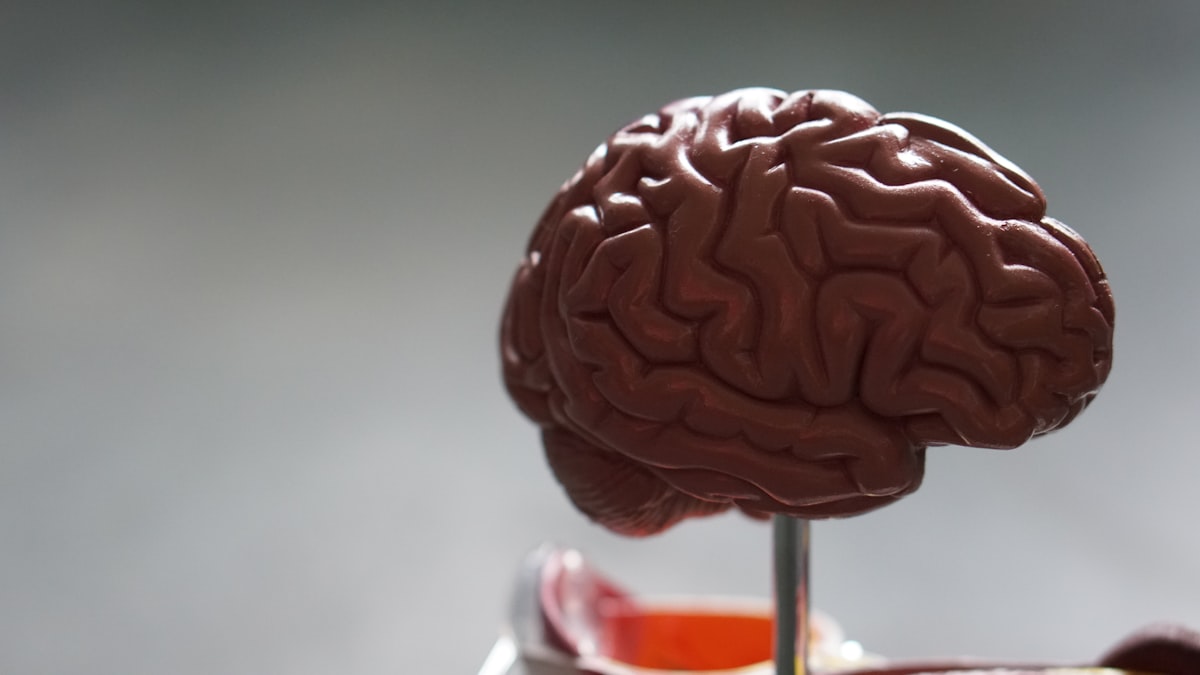

Illustration of the gut-brain connection and neural pathways
Brain health and omega-3 fatty acids
Nutrition & Brain

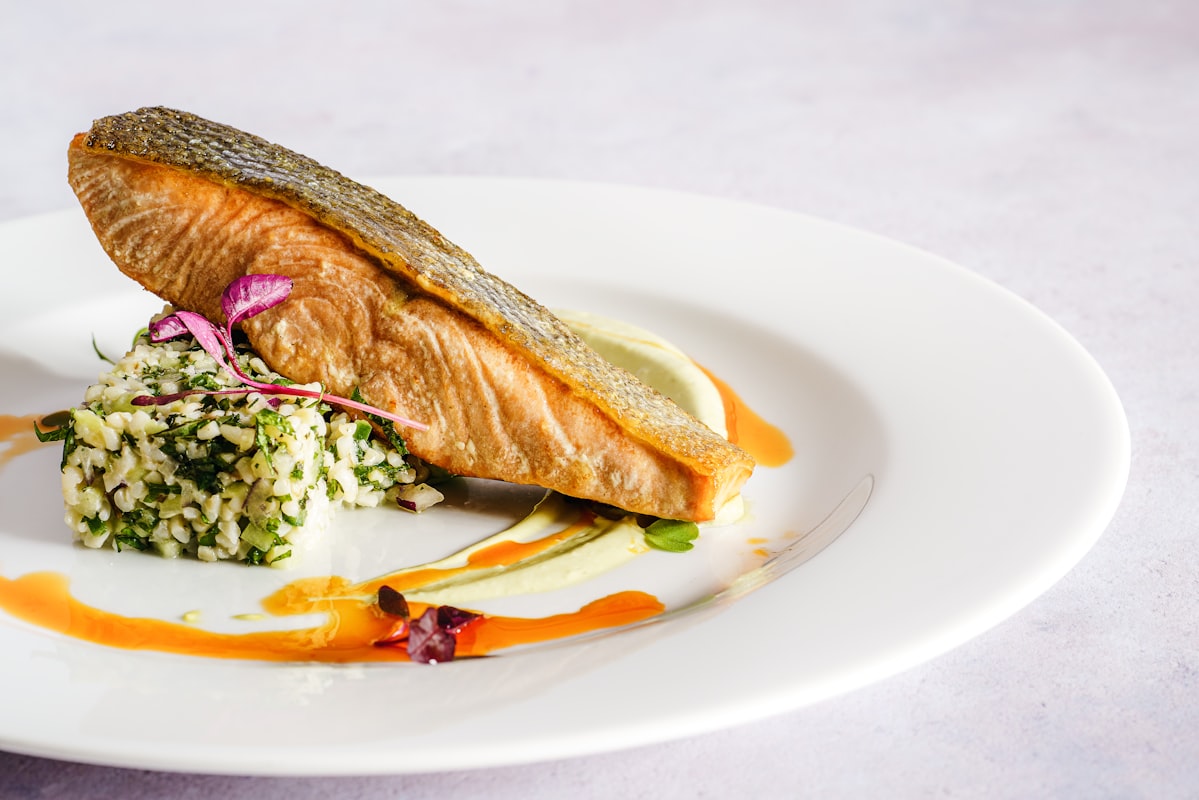
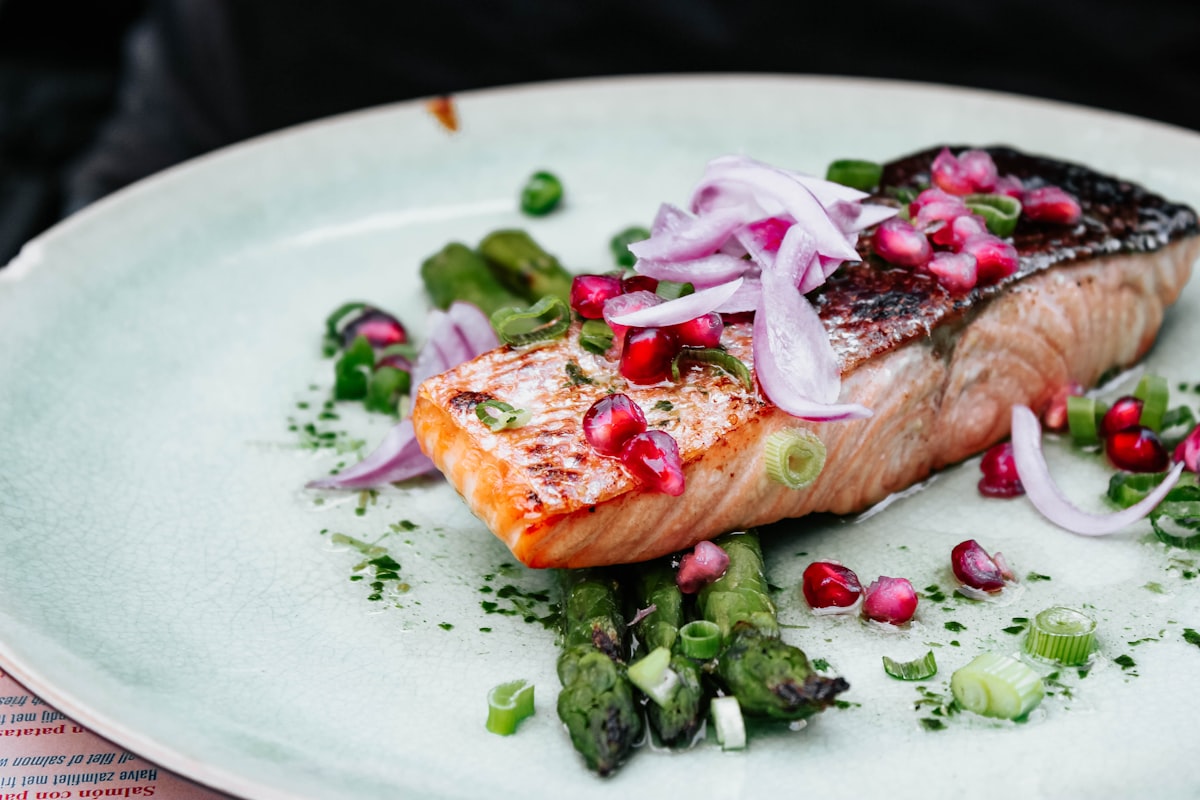
Omega-3 Fatty Acids: Essential Building Blocks for Brain Health

Omega-3 polyunsaturated fats, particularly EPA and DHA, comprise nearly 20% of your brain's dry weight. These molecules are crucial for neuroplasticity—your brain's ability to form new connections and adapt. Fish, flaxseeds, and walnuts provide these compounds, which have been linked to improved focus, reduced mental fatigue, and enhanced emotional regulation.

Read more →
Blood sugar and cognitive performance
Neuroscience

Blood Sugar Stability: The Foundation of Mental Clarity

Erratic blood glucose levels create cognitive fog, brain fog, and impaired decision-making. Your brain consumes approximately 20% of your body's energy, yet it cannot store glucose directly. Foods with a low glycaemic index—whole grains, legumes, non-starchy vegetables—provide steady fuel, preventing the energy crashes that lead to concentration lapses and mood swings.

Read more →
Antioxidants and brain protection
Research Findings

Polyphenols and Antioxidant Defence: Shielding Neural Cells

Plant compounds called polyphenols—found in berries, green tea, dark chocolate, and red wine—possess powerful antioxidant properties that protect brain cells from oxidative stress. Studies suggest these compounds may support cognitive longevity and reduce age-related mental decline. Regular consumption of polyphenol-rich foods represents a practical strategy for sustained mental performance.

Read more →
Protein and neurotransmitter synthesis
Food Strategies

Amino Acids: The Building Blocks of Neurotransmitters

Neurotransmitters—chemical messengers in your brain—are synthesised from dietary amino acids. Serotonin, dopamine, and norepinephrine regulate mood, motivation, and alertness. Protein-rich foods like eggs, legumes, poultry, and nuts supply the raw materials your brain needs to manufacture these crucial signalling molecules. Strategic protein timing throughout the day optimises neurotransmitter production.

Read more →
B vitamins and energy metabolism
Nutrition & Brain

B Vitamins: Fuelling Mental Energy and Stress Resilience

B vitamins function as essential cofactors in energy production and neurotransmitter synthesis. Vitamin B6, B12, and folate are particularly important for cognitive function and emotional balance. Whole grains, leafy greens, legumes, and animal products provide these nutrients. Deficiencies in B vitamins correlate with reduced mental energy, difficulty concentrating, and emotional vulnerability.

Read more →
Inflammation and cognitive performance
Neuroscience

The Inflammation-Cognition Link: Choosing Anti-Inflammatory Foods

Systemic inflammation interferes with neural signalling and can contribute to brain fog and reduced mental clarity. Ultra-processed foods high in refined oils and sugars promote inflammatory responses, while whole foods—especially those rich in anti-inflammatory compounds—support optimal cognitive function. Understanding this relationship empowers informed food choices that directly affect mental performance.

Read more →
Sleep quality and food choices
Research Findings

Sleep and Cognitive Performance: The Food-Sleep Connection

Sleep deprivation severely impairs memory consolidation, decision-making, and emotional regulation—yet many people don't realise their food choices directly influence sleep quality. Magnesium-rich foods, complex carbohydrates, and tryptophan-containing proteins promote restful sleep. Strategic meal timing—avoiding heavy meals and caffeine later in the day—supports the sleep patterns essential for cognitive clarity.

Read more →
Hydration and mental clarity
Food Strategies

Hydration: The Often-Overlooked Cognitive Performance Factor

Your brain is approximately 75% water, and even mild dehydration impairs concentration, reaction time, and mood regulation. Water-rich foods—cucumber, lettuce, citrus fruits, and herbal beverages—contribute to daily hydration alongside plain water. Establishing consistent hydration habits throughout the day is one of the simplest yet most effective strategies for maintaining cognitive clarity and mental resilience.

Read more →

Explore Our Full Knowledge Base

Our editorial team continuously publishes evidence-based articles exploring the science of food, cognition, and wellbeing. Subscribe to stay informed about the latest research and practical insights.

Common Questions About Our Insights

How often are new articles published?

ℹ️ Did you know?

Our editorial team publishes new insights regularly, covering emerging research, practical food strategies, and the science behind cognitive performance. Follow us for the latest additions to our knowledge base.

Is this content based on scientific research?

Yes. All insights on Foodfeelscience are grounded in peer-reviewed neuroscience, nutrition science, and physiology. We reference current research and explain concepts in practical, accessible language for general readers.

Can I use these articles for educational purposes?

Our articles are written for general information and education. Please review our terms of service and contact us if you wish to republish or use content in professional or academic contexts. Proper attribution is always appreciated.

Do you have personalised food recommendations?

Our articles provide general evidence-based information applicable to many readers. For personalised guidance, please consult qualified professionals. We provide educational content to support informed decision-making about food choices.

How can I suggest topics for future articles?

We welcome reader feedback and article suggestions. Contact our editorial team via our contact form, and we'll review your idea. Your insights help us create content that addresses your most pressing questions about food and cognitive performance.

Are there articles on specific foods or nutrients?

Absolutely. Our article collection covers individual foods, nutrients, food groups, and practical eating strategies. Use the category filters above to find articles focused on specific topics like omega-3s, antioxidants, or brain-supporting food strategies.

Stay Informed About Food and Mental Clarity

Receive updates about new articles, research findings, and insights delivered to your inbox.

We respect your privacy. Unsubscribe at any time. For details, see our Privacy Policy.

This site provides educational content only. We do NOT offer medical consultations, sale of products, deliveries, or refund policies. For medical advice, consult a licensed professional.